
#ChristianApologetics
-
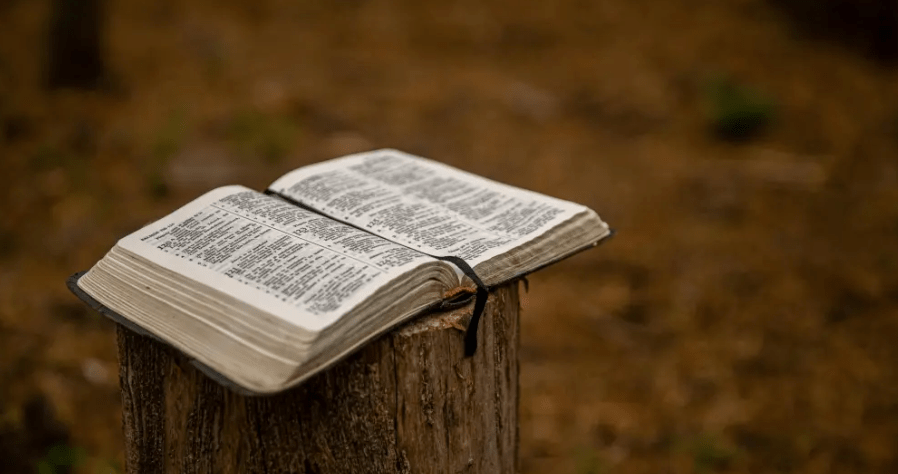
The Gospels—the books of Matthew, Mark, Luke, and John—stand as the foundational texts that reveal the life, teachings, death, and resurrection of Jesus Christ. In a world filled with many religious texts and philosophies, why should we trust the Gospels as authoritative over all other writings? The answer lies in their unique historical reliability, their…
-

Miracles often face heavy skepticism. Many today see them as ancient myths—fabricated legends made up by primitive people to explain what they didn’t understand. But is that what the Bible presents? Are miracles just spiritual folklore, or are they real, historical acts of God? Miracles in the Bible Are Rooted in History, Not Fantasy Unlike…
-

The Question of God’s Love and Human Suffering If God is loving and powerful, why do children suffer? Why do innocent people experience war, disease, and abuse? These are not just theological questions — they’re deeply human ones. This isn’t a new question. Throughout Scripture, even God’s own people wrestled with this: “Why do You…
-

In a world striving for unity and tolerance, it’s common to hear people say, “All religions teach basically the same thing,” or “It doesn’t matter what you believe, as long as you’re sincere.” But sincerity doesn’t equal truth. And while many religions may share surface-level moral teachings, they fundamentally contradict one another where it matters…
-

It’s a question that stirs deep pain and confusion: “Why would a good God allow someone innocent to die?” Whether it’s the loss of a child, a beloved parent, or a kind stranger caught in tragedy, this question arises in nearly every human heart at some point. The Bible doesn’t ignore this question. It meets…
-

The question goes beyond philosophy — it touches the soul: If God has unlimited power, why doesn’t He stop evil? Mass shootings. Genocide. Child trafficking. Betrayal. Violence. Cancer. If God really has the power to stop these things — why doesn’t He? Let’s examine this through the lens of God’s Word, not our opinions. Yes…
-

The question of whether there are contradictions in the Bible has long been a point of contention for both skeptics and believers. Many critics of Christianity point to what they perceive as discrepancies or contradictions within the Scriptures, often challenging the credibility and consistency of the Bible. However, the Bible’s unity and authority remain steadfast,…
-

The question of suffering isn’t just philosophical—it’s deeply personal. Every one of us has walked through pain: the loss of someone we love, a devastating diagnosis, heartbreak, poverty, betrayal. In those moments, it’s natural to ask: If God is real—and if He is good—why would He allow this? This isn’t a new question. In fact,…
-

Can the Infinite Be Contained? The Truth About God in Human Form Human minds are wired to function within limits. Time. Space. Logic. So when we encounter the claim that the eternal, all-powerful, limitless God entered time and space — not as a distant observer, but clothed in flesh — we instinctively ask: How is…

 Heavly Harmony Hub