-

The Bible teaches us that the heart is central to our spiritual life. Jesus said, “For out of the heart come evil thoughts, murder, adultery, sexual immorality, theft, false testimony, slander” (Matthew 15:19). Our sins are not just external—they originate from the heart. For this reason, having a heart that is right with God is…
-

One of the more puzzling statements in the Gospels comes when Jesus declares: “Do not think that I came to bring peace on earth. I did not come to bring peace but a sword.” (Matthew 10:34, NKJV) At first glance, this seems to contradict other passages where Jesus is called the Prince of Peace (Isaiah…
-

Throughout history, prophets have played a vital role in guiding people toward God’s truth. In both the Bible and the Qur’an, Jesus is acknowledged as a prophet — but in the Bible, He is also revealed as the Son of God and Savior of the world. The question “Why did Muhammad come after Jesus?” is…
-
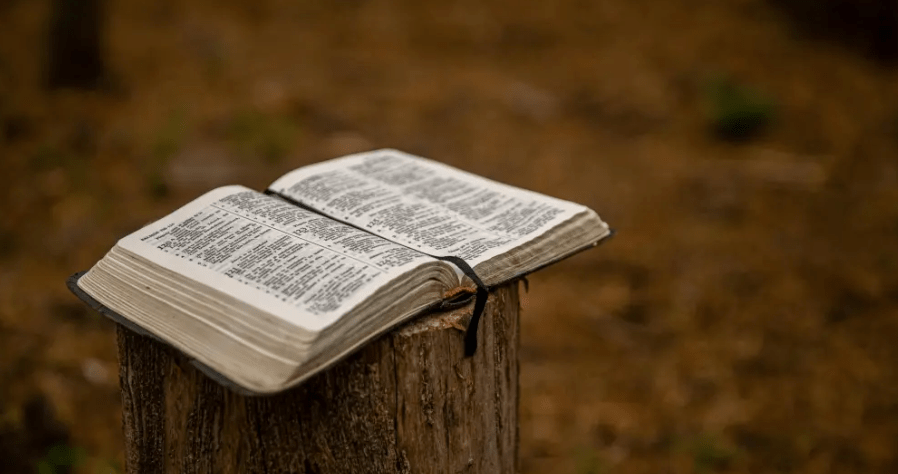
The Gospels—the books of Matthew, Mark, Luke, and John—stand as the foundational texts that reveal the life, teachings, death, and resurrection of Jesus Christ. In a world filled with many religious texts and philosophies, why should we trust the Gospels as authoritative over all other writings? The answer lies in their unique historical reliability, their…
-

In the grand timeline of human history, one might wonder—why did Jesus come 2,000 years ago? Why not earlier? Why not now? And more importantly, what makes Christianity different from every other world religion? These are not just academic questions. They are deeply personal and life-altering when answered honestly. The answers begin not in speculation,…
-

“And they set the altar on its bases; and they offered burnt offerings on it to the Lord, both the morning and evening burnt offerings. Though fear had come upon them because of the people of those countries, they set the altar on its bases.” — Ezra 3:3 (NKJV) There’s something powerful and humbling about…
-

There are times when submitting to authority feels uncomfortable, even unjust. Our natural response often leans toward resistance, especially when we’re asked to do something we don’t want to do. Yet, in the kingdom of God, submission isn’t a sign of weakness—it’s a reflection of Christlikeness. Giving Thanks Through Trials (Ephesians 5:20) “Giving thanks always…
-
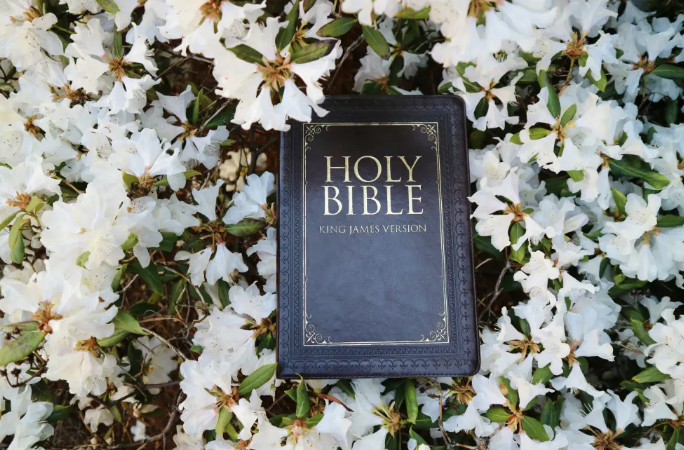
From the beginning, humanity’s sin required a sacrifice. Under the Old Covenant, this meant blood—again and again—shed through the bodies of bulls and goats. The tabernacle stood as a place of temporary atonement, a shadow of what was to come. But everything changed when Jesus stepped in. From Hand-Built to Heaven-Sent (Hebrews 9:11) “But Christ…
-
It’s a question that stirs the heart and conscience: “If God is loving, how could He send anyone to hell?” For many, this question feels like a contradiction—how can eternal punishment coexist with divine love? But the Bible answers this clearly, not with philosophical speculation, but with truth rooted in God’s holiness, justice, and mercy.…
-
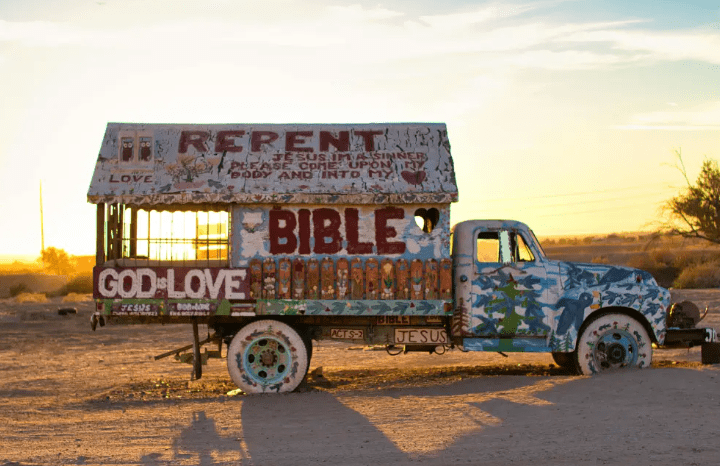
In our modern age, where science explains so much of the natural world, many scoff at the idea of a virgin birth or a resurrection from the dead. Aren’t those just outdated religious fantasies? How can any thinking person take them seriously today? The answer lies not in abandoning reason, but in understanding the limits…

 Heavly Harmony Hub